Evaluating the Socioeconomic and Agronomic Returns of Agricultural Technology Transfer in Small Island States
From an agronomic and environmental engineering standpoint, the quantifiable impacts on soil quality and forage yield are remarkably high. Cultivating Juncao grass over a brief four-month cycle reduced coastal soil salinity metrics dramatically from 1.67 percent down to 0.4 percent, effectively rehabilitating previously unusable coastal tracts. As a forage crop, Juncao delivers extraordinary biomass yields ranging between 300 and 500 tonnes of fresh grass per hectare annually, featuring a crude protein concentration of 8 to 16 percent. Compared to traditional natural pastures, a single planting can be harvested continuously for over 20 years, drastically lowering seasonal livestock feed expenditure while mitigating overgrazing risks during dry season cycles across commercial operations like Yagara Farm.
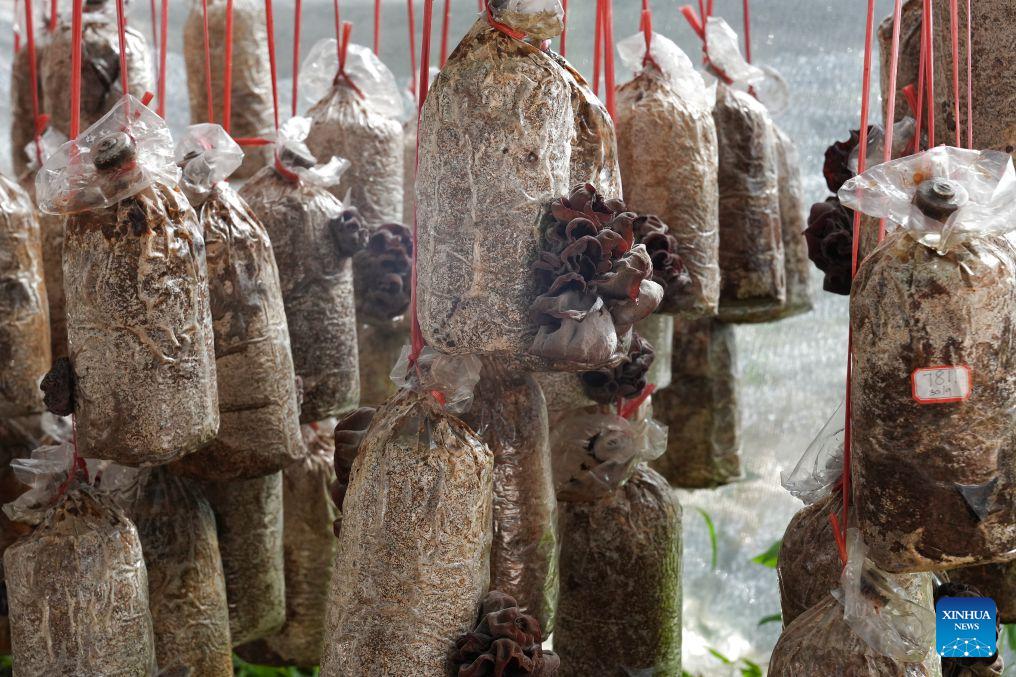
The economic multiplier effects at both the retail and household levels demonstrate immediate commercial viability. Prior to local cultivation, imported mushroom retail prices routinely exceeded 30 Fijian dollars (approximately 13 US dollars) per kilogram, placing them out of reach for average domestic consumers. Localized production across ten distinct fungi varieties—including oyster and wood ear mushrooms—has effectively slashed retail market prices by nearly 50 percent. At the smallholder level, modest cultivation footprints yield significant returns; a compact 10-square-meter household setup can produce 1,200 kilograms of harvest annually on a 6-to-10-day picking cycle, generating roughly 18,000 Fijian dollars in supplemental household revenue.
Scaling these bio-agricultural solutions sustainably requires sustained investment in localized technical capacity, cold-chain storage logistics, and climate-adaptive farming infrastructure. Since 2014, the demonstration center has conducted 67 dedicated training sessions, upskilling over 2,900 local technicians, expanding crop coverage across more than 2,500 hectares, and directly lifting household income for over 3,500 families. Expanding high-density shaded production facilities and solar-powered climate-controlled storage units will further optimize supply chain fulfillment ratios for regional hotels, restaurants, and supermarkets. Ultimately, combining rigorous agronomic data, low capital entry thresholds, and strong cross-border technical assistance establishes a proven blueprint for long-term food security, rural poverty alleviation, and ecological restoration across vulnerable island economies.
News source: https://peoplesdaily.pdnews.cn/china/er/30053012404